脑科学与类脑研究院简介
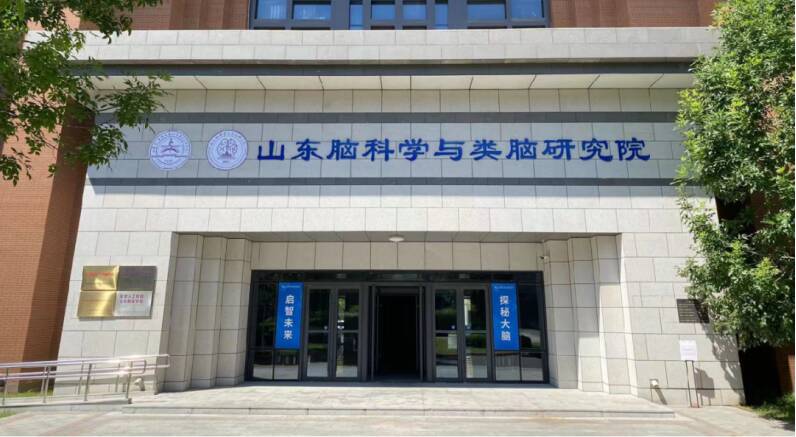
山东脑科学与类脑研究院是山东省人民政府批复成立的省级新型研发机构,由济南市人民政府和山东第一医科大学(山东省医学科学院)共建共管,中国科学院院士、山东第一医科大学(山东省医学科学院)校长陆林担任首任院长。山东第一医科大学(山东省医学科学院)脑科学与类脑研究院(简称“脑研院”)成立于2022年9月,是山东第一医科大学(山东省医学科学院)高端科研创新平台之一,承担山东脑科学与类脑研究院的建设任务。在省委、省政府、济南市和大学的支持下,脑研院在平台建设、人才队伍、科研创新、成果转化等方面成效显著,已成为我国脑科学研究领域的重要力量。
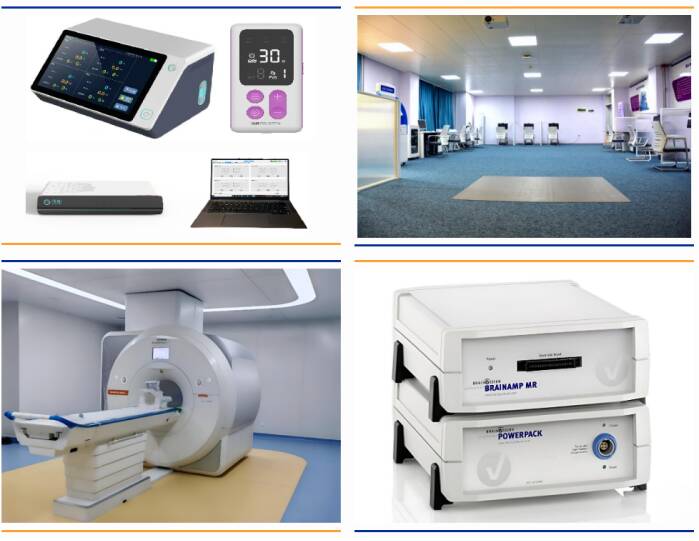
脑研院大力推进科研平台建设,获批“先进药物递释系统全国重点实验室”和“内分泌糖脂代谢与脑老化教育部重点实验室”国家级平台,以及山东省脑科学重点实验室、脑网络功能解析与重构山东省高等学校未来产业工程研究中心等多个省级以上平台。已建成13000平方米现代化科研空间,建有脑成像中心、睡眠中心、电生理成像平台、基础实验平台、认知评估与训练平台、运动干预平台等大型仪器共享平台,为神经精神疾病机制研究、脑机接口技术研发等核心方向提供稳定技术支撑。
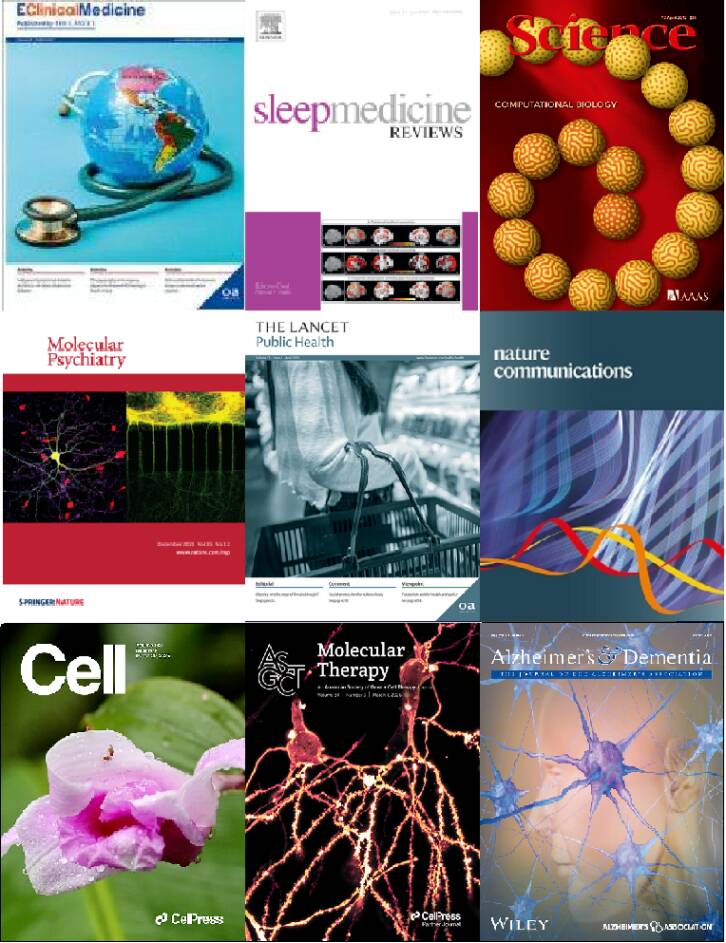
脑研院积极引进和培养高层次人才,建设了两院院士领衔、一流科学家为核心的高水平脑科学研究人才队伍。引进PI人员20余位,其中中国科学院院士1人,院士提名候选人1人、国家杰出青年基金获得者3名、教育部长江学者特聘教授3名、中组部青年拔尖人才1名、泰山学者特聘专家7名、泰山学者青年专家9名。自成立以来,脑研院共主持29项科研项目,其中国家级项目9项、省部级项目17项、横向课题项目3项,包括国家自然科学基金重点项目1项、面上项目5项、青年项目2项等。以第一作者或者通讯作者身份在The Lancet Public Health、Nat Commun、Alzheimers Dement、Mol Ther等国际高水平杂志共发表论文86篇。其中影响因子≥20分的共4篇,影响因子≥10分共计24篇。知识产权保护同步推进,新增国内发明专利授权6项,技术创新与成果保护体系日趋完善。
项目定位
国家自然科学基金优秀青年科学基金项目(海外)旨在吸引和鼓励在自然科学、工程技术等方面已取得较好成绩的海外优秀青年学者(含非华裔外籍人才)回国(来华)工作,自主选择研究方向开展创新性研究,促进青年科学技术人才的快速成长,培养一批有望进入世界科技前沿的优秀学术骨干,为科技强国建设贡献力量。
申报条件
1.基本条件
(1)遵守中华人民共和国法律法规,具有良好的科学道德,自觉践行新时代科学家精神;
(2)出生日期在1986年1月1日(含)以后;
(3)具有博士学位;
(4)研究方向主要为自然科学、工程技术等;
(5)在取得博士学位后至2026年4月15日前,一般应在海外知名高校、科研机构、企业研发机构等获得正式教学或者科研职位,且具有连续36个月以上工作经历;在海外取得博士学位且业绩特别突出的,可适当放宽工作年限要求;
(6)取得同行专家认可的科研或技术等成果,且具有成为该领域学术带头人或杰出人才的发展潜力;
(7)申请人尚未全职回国(来华)工作,或者2025年1月1日以后回国(来华)工作。获资助通知后须辞去海外工作并全职回国(来华)工作不少于3年。
2.限项要求
执行国家科技人才计划统筹衔接的相关要求。同层次国家科技人才计划只能承担一项,同一申报年度一人只能申请一项,不能逆层次申请。
支持条件
对于以山东第一医科大学为依托单位获批国家自然科学基金优秀青年科学基金项目(海外),全职来校(院)入职的项目负责人,可享受以下支持条件:
1.资源配置
聘任为教授/研究员,博士生导师,独立PI,配备工作助手,提供博士后、研究生招生指标,支持组建高水平科研团队,安排办公用房、实验平台。
2.薪酬待遇
1.国家配套经费资助:100-300万元,资助期限:3年。此外,学校提供具有竞争力的年薪、购房补贴和科研支持经费,享受有关个人所得税优惠,同时为人才及随行家属提供回国(来华)就业前生活补贴;
2.合同任务外标志性成果奖励上不封顶;
3.享受人才周转公寓,协助解决配偶工作、子女入学及落户等生活问题,同时校(院)多家三级甲等附属医院可提供一流的医疗保健服务;
4.符合条件的推荐申报省市各级相关支持项目,协助申领山东惠才卡,可享受出入境和居留、医疗保健、社会服务等29项绿色通道服务。
联系方式
申请者请将个人简历(包含个人基本信息,联系方式,学习和工作经历,主要学术成果等)发送至邮箱:sdsnyy@sdfmu.edu.cn,邮件主题请标注为“脑研院海外优青”。
联系人:李老师
联系电话:0531-59567871
Introduction
Shandong Institute of Brain Science and Brain-inspired Research is a new institution approved by the Shandong Provincial People's Government, jointly established and managed by the Jinan Municipal People's Government and Shandong First Medical University (Shandong Academy of Medical Sciences), with Lin Lu, Academician of the Chinese Academy of Sciences and President of Shandong First Medical University (Shandong Academy of Medical Sciences), serving as its founding president. Established in September 2022, the Institute of Brain Science and Brain-Inspired Research of Shandong First Medical University (hereinafter referred to as the "Brain Research Institute") is one of the high-end scientific research and innovation platforms of Shandong First Medical University (Shandong Academy of Medical Sciences) and undertakes the construction of the Shandong Institute of Brain Science and Brain-Inspired Research. With the support of the provincial Party committee, the provincial government, Jinan Municipal Government, and the university, the Institute has achieved remarkable progress in platform development, talent team building, scientific research and innovation, and commercialization of research achievements, and has become an important force in the field of brain science research in China.
The Brain Research Institute has vigorously advanced the development of scientific research platforms, and has been approved to establish national-level platforms including the "National Key Laboratory of Advanced Drug Delivery Systems" and "Key Laboratory of Endocrine Glucose and Lipid Metabolism and Brain Aging of the Ministry of Education", as well as a number of provincial and higher-level platforms, such as the Shandong Provincial Key Laboratory of Brain Science and the Future Industry Engineering Research Center of Shandong Higher Education Institutions for Brain Network Function Analysis and Reconstruction. It has established 13,000 square meters of modern research space and developed a range of large-scale shared instrumentation platforms, including a Brain Imaging Center, Sleep Center, Electrophysiological Imaging Platform, Basic Experimental Platform, Cognitive Assessment and Training Platform, and Exercise Intervention Platform, providing stable technical support for key research areas such as the mechanisms of neuropsychiatric disorders and the development of brain-computer interface technologies.
The Institute has actively recruited and cultivated high-level talent, building a distinguished brain science research team led by academicians from the Chinese Academy of Sciences and the Chinese Academy of Engineering and anchored by first-class scientists. It has recruited more than 20 principal investigators (PIs), including 1 Academician of the Chinese Academy of Sciences, 1 candidate nominated for academicianship, 3 recipients of the National Science Fund for Distinguished Young Scholars, 3 Distinguished Professors under the Changjiang Scholars Program of the Ministry of Education, 1 young top-notch talent supported by the Organization Department of the CPC Central Committee, 7 Taishan Scholars Distinguished Experts, and 9 Taishan Scholars Young Experts. Since its establishment, the Institute has undertaken a total of 29 research projects, including 9 national-level projects, 17 provincial- and ministerial-level projects, and 3 industry-sponsored collaborative projects. These include 1 Key Program project, 5 General Program projects, and 2 Young Scientists Fund projects funded by the National Natural Science Foundation of China. Institute researchers have published a total of 86 papers as first authors or corresponding authors in internationally renowned journals, including The Lancet Public Health, Nature Communications, Alzheimer’s & Dementia, and Molecular Therapy. Among these publications, 4 papers appeared in journals with an impact factor of 20 or above, and 24 papers were published in journals with an impact factor of 10 or above. At the same time, intellectual property protection has been steadily advanced. The Institute has obtained authorization for 6 new domestic invention patents, and its system for technological innovation and achievement protection continues to improve.